Confident Smart-Home Buying in a World of Data

Step inside a practical guide to better decisions. Today we explore privacy and trust frameworks for connected-home purchases, translating complex standards, labels, and policies into everyday actions. Learn how to evaluate data practices, security updates, transparency commitments, and vendor accountability before inviting any device into your living room. Share your experiences, ask questions, and help shape a safer marketplace through informed choices and collective pressure.

What Makes a Purchase Worth Trusting

Data Minimization in Real Life

Picture a video doorbell that records only motion at your doorstep, stores clips locally by default, and uploads to the cloud only when you opt in. By narrowing scope, it reduces breach impact, limits profiling, and preserves neighbor privacy without sacrificing essential functionality.

Security by Design You Can Verify

Look for evidence you can check, not marketing glitter: third-party certifications, coordinated vulnerability disclosure programs, security update commitments, and published software bills of materials. When documentation is accessible and specific, you gain leverage to compare products, prioritize safer options, and hold vendors accountable.

Clear Consent and Revocation

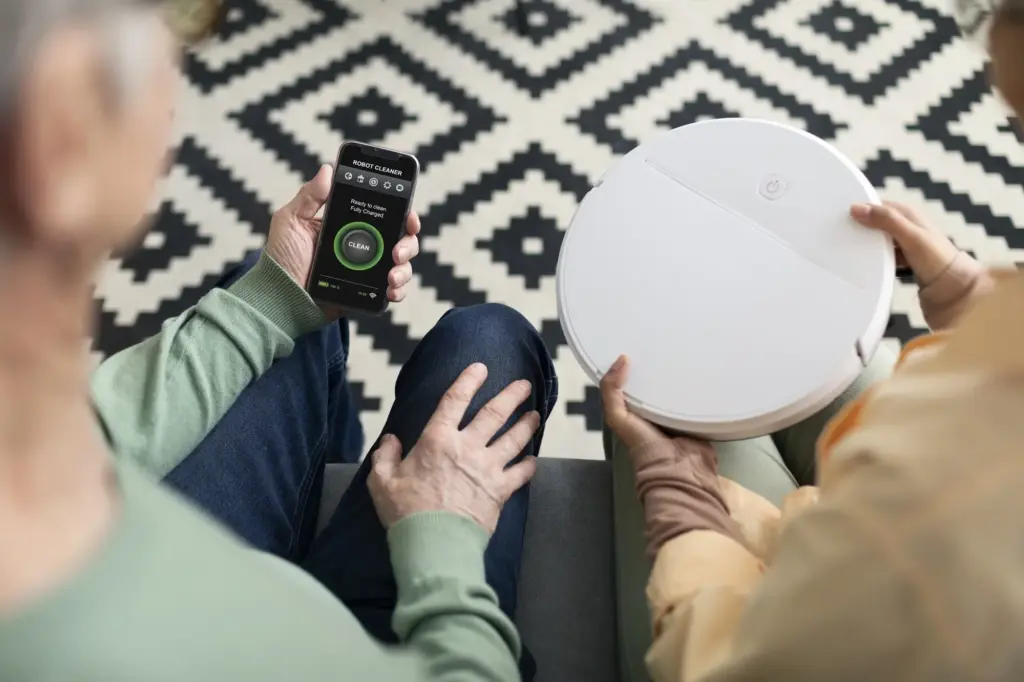
Consent matters only when it is easy to understand, reversible, and granular. Seek settings that separate recording from sharing, analytics from storage, and account access from household membership. The ability to revoke permissions instantly without breaking core functionality is a reliable trust signal.

Frameworks You Can Rely On

Standards and frameworks turn scattered practices into consistent expectations across devices and brands. Consumer IoT baselines, privacy management extensions, and secure-by-design principles offer shared language for buyers and builders. Understanding their intent helps you ask sharper questions, compare claims, and push for verifiable, outcome-oriented commitments instead of vague assurances or glossy icons that fade under scrutiny.

Reading Labels, Policies, and Trust Marks

Marketing simplifies; due diligence clarifies. Treat labels and policies as starting points that demand verification. Scan for update duration, encryption at rest and in transit, local processing options, retention windows, and data-sharing boundaries. Use independent reviews and manufacturer transparency portals to cross-check claims before bringing microphones, cameras, or sensors into intimate spaces at home.

How Long Will It Receive Patches?

A date is more useful than a promise. Look for explicit support windows in years, tied to purchase or release, and learn whether critical vulnerabilities extend coverage. Transparent commitments align incentives, discourage premature obsolescence, and keep households safer long after marketing campaigns change or leadership rotates.

Responsible Vulnerability Disclosure

When researchers can report issues safely and receive timely responses, everybody benefits. Check whether the manufacturer publishes a security.txt, a public key, and target timelines. Clear processes reduce window-of-exposure, demonstrate maturity, and invite collaboration that raises the bar for every connected device sharing your home network.

Home Scenarios and Tradeoffs

{{SECTION_SUBTITLE}}

The Doorbell Story That Changed My Shopping List

My neighbor installed a doorbell that shipped with cloud uploads enabled and no local storage. After a brief outage exposed missing clips, they switched to a model with on-device encryption and optional cloud backup. The difference was not convenience, but control and resilience under stress.

A Smart Speaker in a Shared Apartment

In a home with rotating roommates, voice profiles and guest modes reduced accidental recordings and cross-account surprises. Scheduled microphone muting during study hours calmed nerves. These small settings transformed anxiety into routine, proving privacy controls matter even more when people change, schedules shift, and boundaries blur unexpectedly.

Your Purchase Checklist

Turn principles into action with a concise checklist you can reuse. Confirm update timelines, consent controls, local processing options, encryption practices, data-retention limits, and deletion methods. Look for independent verification, transparent policies, and accessible support. Bring this list to stores, share it with friends, and revise it through experience.

Questions to Ask Before You Click Buy

Who can access recordings by default, and how do I change it? How long are updates promised, and where is that documented? Does local storage work without a subscription? If answers feel evasive, pause the purchase and reward brands that speak plainly.

Signals That Deserve Extra Scrutiny

Beware universal default passwords, vague privacy policies, unclear retention periods, and opaque crash reporting. If a device requires broad data access for basic features, reconsider. Extra permissions might hide convenience shortcuts that trade your autonomy for analytics. Compare competitors and choose the one that proves restraint.

Green Flags Worth Celebrating

Independent audits, security research acknowledgments, clear device-reset instructions, exportable settings, and human support channels suggest care and maturity. When companies explain tradeoffs transparently and publish postmortems after incidents, they demonstrate accountability. Reward those behaviors with purchases, reviews, and referrals that strengthen the entire market for safer connected living.

Community, Advocacy, and Next Steps

Pirafarizorilivofexokira
Privacy Overview

This website uses cookies so that we can provide you with the best user experience possible. Cookie information is stored in your browser and performs functions such as recognising you when you return to our website and helping our team to understand which sections of the website you find most interesting and useful.