Next-Door Delivery, Powered by Street-Smart Devices

From tiny battery sensors to mesh gateways on streetlights, hyperlocal IoT networks now knit together porches, lockers, and micro-hubs so neighbors get groceries, repairs, and help within minutes. In this issue we dive into how such networks enable neighborhood deliveries and services, blending practical design, social trust, and resilient engineering to make city blocks feel delightfully smaller and kinder. Join the conversation, share what works on your block, and help us refine respectful, street-scale logistics.

How Signals Travel from Porch to Corner

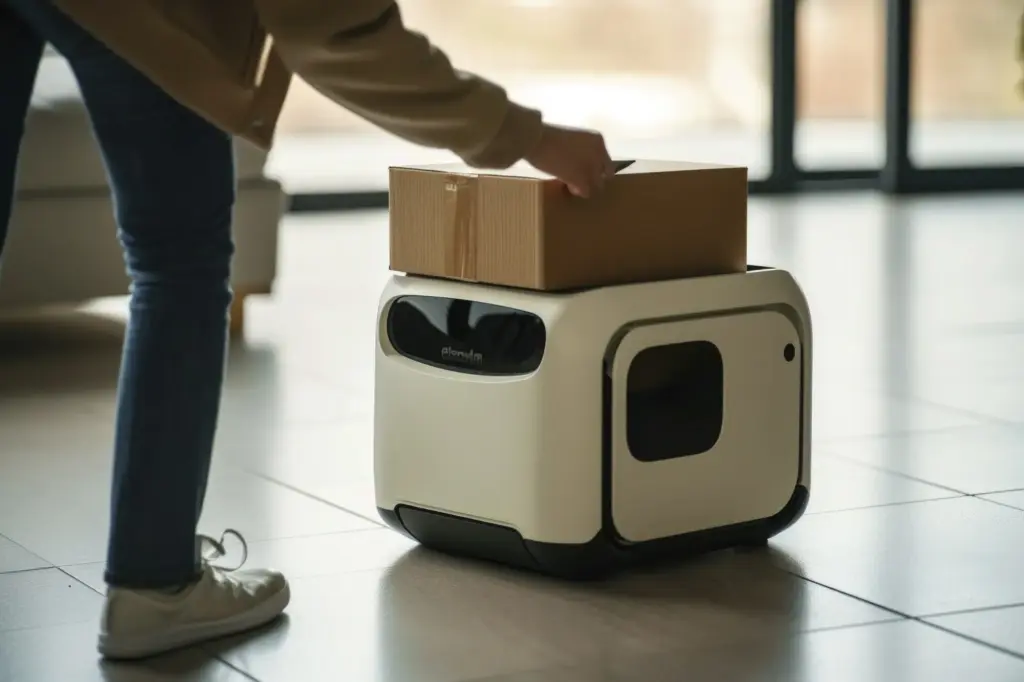
Low-power radios hop packets between doorbell nodes, curb beacons, and lamppost gateways, creating a walking-distance mesh that refuses to quit. Edge processors collate requests, verify identities, and assign handoffs, while lockers and carts announce availability. The result is a block-scale nervous system that moves parcels and people-friendly services with calm, predictable timing, even when the internet hiccups.

Mailbox-Range Mesh, Always On

Short-range radios like BLE Mesh, Thread, and Wi‑Fi HaLow stitch stoops and hallways together without draining batteries. Gateways speak LoRaWAN to cross longer yards and thick walls, while scheduling sleeps to conserve power. With redundant hops and neighborhood-owned placement, messages find a path even during outages, keeping pickups, drop-offs, and alerts alive at mailbox distances.

Edge Brains at the Curb

Single-board computers in kiosks and lockers run lightweight models that classify parcels, predict arrival windows, and throttle traffic during school hours. By processing locally, they protect privacy and cut backhaul costs. When connectivity returns, summaries sync upstream, preserving context without flooding links, so couriers, volunteers, and shoppers see timely, trustworthy updates that match street reality.

Everyday Moments These Systems Make Easier

The Milk Arrives Before the Coffee Cools

At 7:02 a.m., the corner hub batches five dairy orders, assigns a shared bike cart, and pings recipients with curb timers. Because the mesh already verified porch availability, the rider never waits. Groceries settle into e‑ink labeled cubbies, freshness tracked continuously, while your mug still steams. Efficiency feels warm when it tastes like breakfast.

A Wrench When You Need It, Not Tomorrow

A neighbor’s toolbox node advertises a torque wrench through the local registry. A gig repairer on your street claims it, receives a one-time locker code, and finishes a bike fix before lunch. Micro-insurance binds automatically, and a tip flows back through the same mesh, keeping value circulating locally, alongside goodwill and grateful waves.

Checking In Without Knocking

Wellness sensors paired with meal drops record door opens and light motion during usual hours, then summarize patterns for designated family members. If something seems off, a neighbor-volunteer receives a gentle prompt to ring or message. Respectful by design, these signals prioritize dignity, avoid voyeurism, and help elders remain confidently independent on familiar streets.

Power That Endures Without Drama

Pick components that sleep deeply, wake quickly, and avoid chatty heartbeats. Pair lithium iron phosphate cells with supercapacitors to smooth surges from motors and heaters. Angle solar for winter sun, not summer bragging rights. Publish battery health to the neighborhood console, so swaps happen proactively, keeping carts and lockers alive through storms, festivals, and school pickups.

Weatherproofing That Laughs at Storms

Design around capillary action and condensation, not just rain. Use drain paths, breathable membranes, and conformal coatings to protect boards from salt and dust. Test gaskets after temperature cycling, then test again after UV exposure. Fasteners need thread-lock and stainless steel. Tool-free service doors reduce damage because frustrated people are surprisingly creative with pry bars.

Privacy, Safety, and Community Agreements

Trust grows when neighbors decide how sensors behave, which logs persist, and when alerts escalate. Default settings should minimize data collection, purge quickly, and favor on-device processing. Clear signage and opt-in routes reduce surprises. Safety audits include real-world drills, like lost-courier scenarios and misdelivered meds, proving that policies are living commitments, not dusty documents.

Neighborhood Economics That Actually Add Up

Street-scale systems reward the people who host, maintain, and use them. Memberships can cover locker upkeep, while merchants subsidize hub power in exchange for reliable pickups. Carriers benefit from consolidated stops and reduced failed deliveries. When money loops locally, services become sturdier, pricing stays humane, and innovation emerges from porch conversations rather than distant boardrooms.

Launch Plan: Build a Pilot in Thirty Days

Start with two gateways, five lockers, a cart, and a handful of door nodes covering one or two blocks. Recruit resident stewards, a grocer, a pharmacy, and a repairer. Map clear service windows and contact points. Measure latency, uptime, and satisfaction. Iterate every Friday with porch meetups, turning candid feedback into firmware updates and refreshed routines.

Starter Kit You Can Source This Week

Combine two rugged gateways, five modular lockers with e‑ink panels, ten battery sensors, and one shared e-cargo cart. Add cameras only where consented and legally compliant. Use open-source server software on a mini PC at a trusted home. Label everything, photograph installs, and keep spares organized, so downtime shrinks from days to moments.

Protocols That Mesh Without Fuss

Pick Thread or BLE Mesh for door nodes, LoRaWAN for long hops, and MQTT for pub-sub glue. Favor Matter or Web of Things models for interoperability. Encrypt everything, but keep keys human-recoverable. Rate limit aggressively to protect batteries and backhaul. Document endpoints and QOS tiers, so partners can integrate without secret handshakes or guesswork.

Pilot Milestones, Success Metrics, and Feedback Loops

Week one verifies radio coverage and locker reliability. Week two measures first deliveries and neighbor sign-ups. Week three adds merchant inventory feeds and bike cart routing. By week four, compare failed deliveries and travel minutes to baseline. Celebrate wins publicly, publish learnings, and retire experiments that underperformed, freeing energy for ideas neighbors truly love.
Pirafarizorilivofexokira
Privacy Overview

This website uses cookies so that we can provide you with the best user experience possible. Cookie information is stored in your browser and performs functions such as recognising you when you return to our website and helping our team to understand which sections of the website you find most interesting and useful.