The fridge’s low-ice chime or a calendar nudge opens a brief conversation: you say what’s missing, the assistant proposes trusted brands, and a gentle nod seals it. A spoken receipt summarizes price, delivery window, and swaps, inviting simple corrections without stress or screens.
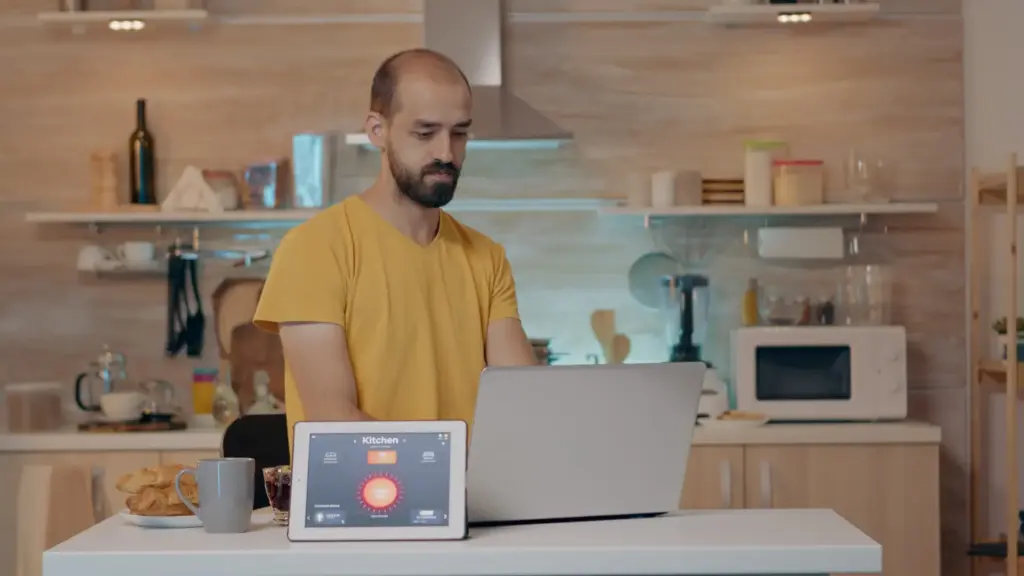
Elbows dusted in flour, you swipe the air to scroll a recipe, then ask for same-day yeast and a heavier pan. Voice confirms stock and deals, while a palm-out gesture pauses purchases during timers. You keep stirring; the kitchen becomes a calm, cooperative shop.
Mid-episode, a character’s sweater sparks interest. You whisper for sustainable wool in similar cuts under a set budget, and tilt your wrist to approve size suggestions. The assistant compares reviews aloud, offers curbside pickup, and schedules returns, letting you stay curled under blankets.
Start with intent-revealing questions that feel like help, not hurdles. Offer two or three concrete options, spoken clearly and displayed briefly on nearby screens when available. Avoid open fields; guide choices with price anchors, delivery promises, and ethical tags, then confirm with delightfully short summaries.
Speak the three things shoppers care about most: total cost, arrival time, and how to change their mind. Compress everything else into a link or later message. A well-paced voice receipt reduces anxiety, boosts perceived control, and lowers cart abandonment across kitchens, bedrooms, and hallways.
Misheard items happen, especially with blenders roaring or kids shouting. Design graceful retries that acknowledge noise, suggest alternatives, and never repurchase duplicates. Provide a one-phrase undo, a hand-wave cancel, and a short chime signaling safety, restoring trust faster than any apology screen could.